
Progression and the Later Stages of Dementia
Dementia is a progressive condition — symptoms may be relatively mild at first but tend to worsen over time. This progression can span several years, and the speed varies from person to person, often making it difficult to predict.
As dementia advances, individuals may start behaving in ways that seem unusual or out of character, such as asking the same questions repeatedly, pacing, or showing signs of restlessness and agitation. These behaviors can be distressing for both the person living with dementia and their loved ones.
Changes in eating and drinking habits are also common. A loss of appetite, reduced physical activity, weight loss, muscle weakness, frailty, and an increased risk of falls can develop as dementia progresses.
Managing other health conditions becomes more challenging as the person may refuse medication or struggle to communicate when they feel unwell.
Disruptions in sleep patterns are also very common, with people often sleeping less at night and more during the day.
Life Expectancy and End-of-Life Planning
Dementia is a life-limiting condition, meaning that life expectancy is lower compared to individuals without dementia, regardless of the type.
Although discussing end-of-life care can be difficult, planning ahead can make the journey less stressful for everyone involved. Early planning ensures that the wishes and needs of the person with dementia are honored. With the right support, information, and advice, many individuals can continue to live well for years after their diagnosis.
Types of Dementia
There are many types of dementia, but approximately 19 out of 20 people will have one of these four main types:
Alzheimer’s disease
Vascular dementia
Dementia with Lewy bodies (DLB)
Frontotemporal dementia (FTD)
Some individuals may experience mixed dementia, showing symptoms of more than one type.
Alzheimer’s Disease
Alzheimer’s disease is the most common form of dementia. It occurs when proteins in the brain form plaques and tangles, disrupting nerve cell communication and damaging the brain.
Early symptoms include:
Memory loss
Confusion about time and place
Language and communication difficulties
Misunderstanding visual information
How are amyloid plaques formed on brain cells?
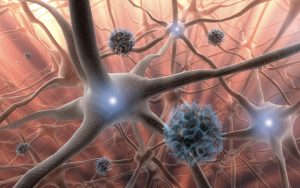
Amyloid-beta protein: In healthy individuals, a protein called amyloid-beta is normally cleared from the brain. However, in Alzheimer’s disease, it accumulates and clumps together. These clumps of amyloid-beta form sticky plaques between nerve cells. The plaques disrupt communication between brain cells and can also lead to the death of brain cells.
Cholesterol can influence the production, accumulation, and clearance of amyloid-beta. For example, elevated cholesterol levels in the brain have been linked to increased amyloid-beta production, potentially contributing to plaque formation.
It is important to decrease cholesterol levels to reduce the risk of developing Alzheimer’s disease, which is the most common type of dementia. Avoiding cholesterol-producing foods is important. While animal products like meat, poultry, and dairy contain dietary cholesterol, it is the saturated and trans fats in these foods that have a greater impact on blood cholesterol levels.
Examples of foods to limit or avoid include red meat, full-fat dairy, baked goods, fried foods, and some oils like coconut and palm oils. Butter and lard.
Vascular Dementia
Vascular dementia results from poor blood supply to the brain. It can develop after a stroke or over time due to narrowing blood vessels.
Early symptoms include:
Difficulty planning, thinking quickly, or concentrating
Short periods of severe confusion
Anxiety, depression, or irritability
Unlike Alzheimer’s, memory loss isn’t always an early symptom.
Dementia with Lewy Bodies (DLB)
DLB is caused by protein clumps (Lewy bodies) in the brain.
Early symptoms include:
Fluctuating levels of alertness
Sleep disturbances
Difficulties with attention and reasoning
Visual hallucinations
Movement and balance problems (similar to Parkinson’s)
Memory problems are often less severe in the early stages compared to Alzheimer’s disease.
Frontotemporal Dementia (FTD)
FTD affects the front and sides of the brain and is caused by abnormal proteins.
Two main types:
Behavioral variant: Changes in personality and behavior
Primary progressive aphasia (PPA): Language difficulties
Other Types of Dementia
Mixed Dementia
People with mixed dementia experience symptoms of more than one type, commonly Alzheimer’s and vascular dementia.
Young-Onset Dementia
Around 20% of people with dementia are under 65. Early diagnosis is vital as younger people often have unique challenges, such as employment and family responsibilities.
Key points:
More likely to have rarer types
May show less memory loss initially
Greater chance of genetic inheritance
Rarer Causes of Dementia
Other less common types of dementia include:
Posterior cortical atrophy
Corticobasal syndrome
Progressive supranuclear palsy
Huntington’s disease
Normal pressure hydrocephalus
CADASIL
Creutzfeldt-Jakob disease (CJD)
Conditions Similar to Dementia
Several conditions can cause memory or thinking problems without being dementia:
Depression
Infections (chest, urinary tract)
Severe constipation
Thyroid problems
Vitamin deficiencies
Excessive alcohol intake
Alcohol-Related Brain Damage (ARBD)
ARBD is caused by prolonged heavy drinking. Although not true dementia, it shares symptoms and may be reversible if drinking stops early enough.
Korsakoff’s syndrome is a severe form of ARBD due to thiamine deficiency.
Mild Cognitive Impairment (MCI)
MCI is noticeable cognitive decline that doesn’t interfere severely with daily life. People with MCI are at a higher risk of developing dementia.
Functional Cognitive Decline (FCD)
FCD is caused by brain processing issues, not brain cell loss. Stress, fatigue, depression, and insomnia are common contributors. Symptoms may stabilize or even improve over time.
Dementia and Learning Disabilities
People with learning disabilities, especially Down’s syndrome, have a higher risk of developing dementia earlier in life and require specialized support.
Who Gets Dementia?
Dementia mainly affects people over 65 years old, with risk increasing significantly with age.
Statistics:
1 in 14 people over 65 have dementia
1 in 6 people over 80
More common among women than men
55 million people live with dementia worldwide, with 60% in low- and middle-income countries
Risk Factors for Dementia
While not all causes are known, common risk factors include:
High blood pressure
Vascular disease
Physical inactivity
Poor diet
Excessive alcohol consumption
Smoking
Is Dementia Hereditary?
Most dementia types are not inherited.
Rare familial genes can cause dementia before 65.
Risk genes increase the likelihood slightly but don’t guarantee dementia development.
Preventing Dementia
Lifestyle changes can lower dementia risk, particularly between ages 40 and 65:
Stay physically active
Maintain a healthy weight
Avoid smoking
Limit alcohol
Eat a balanced diet
Manage diabetes, heart disease, and blood pressure
Treat depression early
Manage hearing loss
Stay socially and mentally active
Recognizing Dementia Symptoms
While mild forgetfulness can be normal with age, early signs of dementia include:
Frequent memory problems
Repeated questions
Noticeable changes in behavior
Difficulty navigating familiar environments
Family and friends often notice these changes first.
Diagnosing Dementia
An early diagnosis brings several benefits: understanding the symptoms, accessing treatment, planning for the future, and improving quality of life.
Specialists who diagnose dementia:
Old age psychiatrists
Specialist nurses
Geriatricians
Neuropsychologists
Neurologists
Sometimes GPs
Diagnosis includes:
Medical history
Physical exams
Cognitive tests
Brain scans
Person-Centered Care and Support
Dementia care should always focus on the individual’s background, preferences, and life history. Regular health reviews and adjustments to care plans are vital.
Non-Drug Treatments and Support
Many non-drug therapies can help individuals live well with dementia:
Cognitive Stimulation Therapy (CST)
Cognitive Rehabilitation
Talking therapies
Cognitive Behavioral Therapy (CBT)
Life Story Work
Reminiscence Therapy
Music and Creative Arts Therapies
Staying physically, mentally, and socially active is essential for maintaining quality of life.
Diseases closely related to dementia:
- High blood pressure heart diseases and strokes
- Epilepsy Chronic kidney disease
- Chronic lung disease
- Alcoholism Chronic stress and depression
- Some common medication
- Diabetes
- Autoimmune conditions
- Thyroid conditions
- B vitamin deficiency
Healthy Brain Foods:

- ACE – Diet
- Vitamin A Foods: Examples
- All brightly coloured vegetables
- Pumpkin
- Bell Peppers
- Tomatoes
- Kale
- Spinach
- Brocoli
- Carrots
- Sweet potatoes
- Eggs
- Some dairy
- Yogurts
- Oily fish
- Mangoes
- Papaya
- Apricots
- Cantaloupe melon
- Vitamin C – Examples
- All citrus fruit and other fruit
- Strawberries
- Blueberries
- Brussels sprouts
- Potatoes
- Guava
- Papaya
- Vitamin E Examples
- Nuts seeds grains
- Olive, sunflower, saflower oils
- Lentil split peas
- Black eye, kidney and other beans
- Wheat
- Whole grain rice
- Vegetables like spinach,
- Peppers
- Avocado
- Fortified cereals
It is also important to have sufficient Vitamin D and B in your diet.
Helpful Resources
Factsheets and publications available from the Alzheimer’s Society UK include:
What is dementia?
Progression and stages of dementia
What is young-onset dementia?
Learning disabilities and dementia
Rarer causes of dementia
Dementia: Reducing your risk
Living well with dementia
Planning ahead
Coping with the diagnosis
Changes to relationships
And many more.
(Please note: this list is not exhaustive.)
